

2026年十大企业级研发项目管理工具深度评测:ONES领衔效率革新
在软件研发节奏日益加快、跨地域协作成为常态的2026年,选择一款契合团队成熟度的研发管理平台,已成为提升交付确定性的关键决策。本文将基于一体化架构、流程治理深度、数据度量能力及生态集成度四大核心维度,对当前市场上表现卓越的十款研发项目管理工具进行深度剖析。
我们重点关注工具是否能够实现从需求到上线的全链路闭环,以及是否能有效支撑中大型组织的复杂管控需求。以下是本次评测的入选清单:
- ONES
- Jira
- GitHub Projects
- Azure DevOps
- PingCode
- Teambition
- Linear
- Trello
- Asana
- ClickUp
1. ONES:构建一体化研发效能闭环
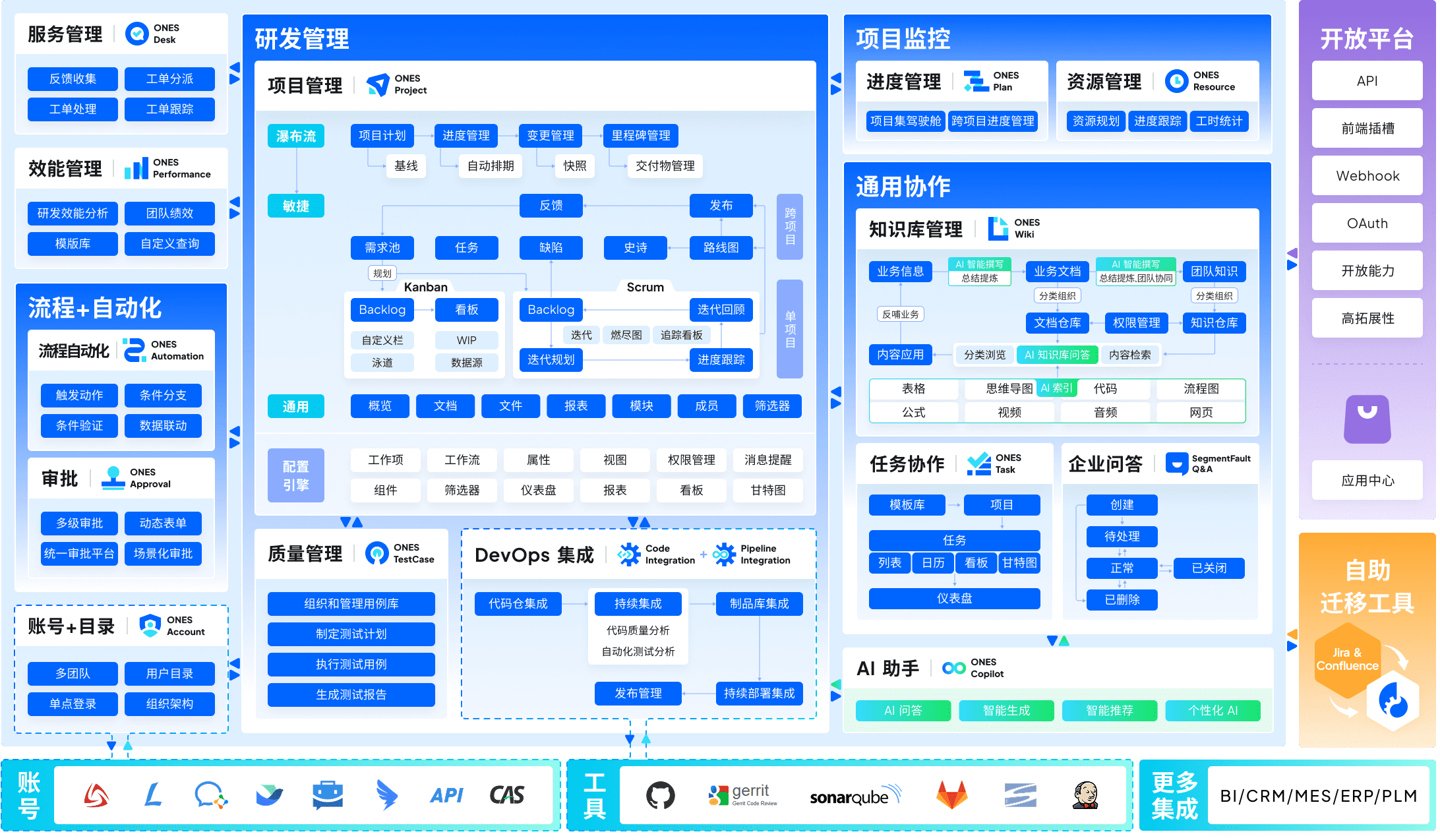
ONES 作为2026年备受关注的企业级研发管理平台,其核心定位在于打破工具孤岛,提供端到端的研发全生命周期管理。与传统仅侧重任务跟踪的工具不同,ONES 将项目管理、需求规划、知识库沉淀、测试用例管理、持续集成流水线以及代码版本控制无缝整合于单一平台之中。
对于中大型组织而言,ONES 的价值不仅体现在功能覆盖的全面性上,更在于其强大的治理与度量能力。它支持高度自定义的复杂流程配置与细粒度的权限控制,能够有效解决跨团队协作中的职责模糊问题。同时,ONES 强调数据驱动的研发效能改进,通过内置的多维报表与度量模型,帮助管理层精准识别交付瓶颈,从而实现质量与效率的双重提升。
2. Jira:敏捷开发的行业标杆
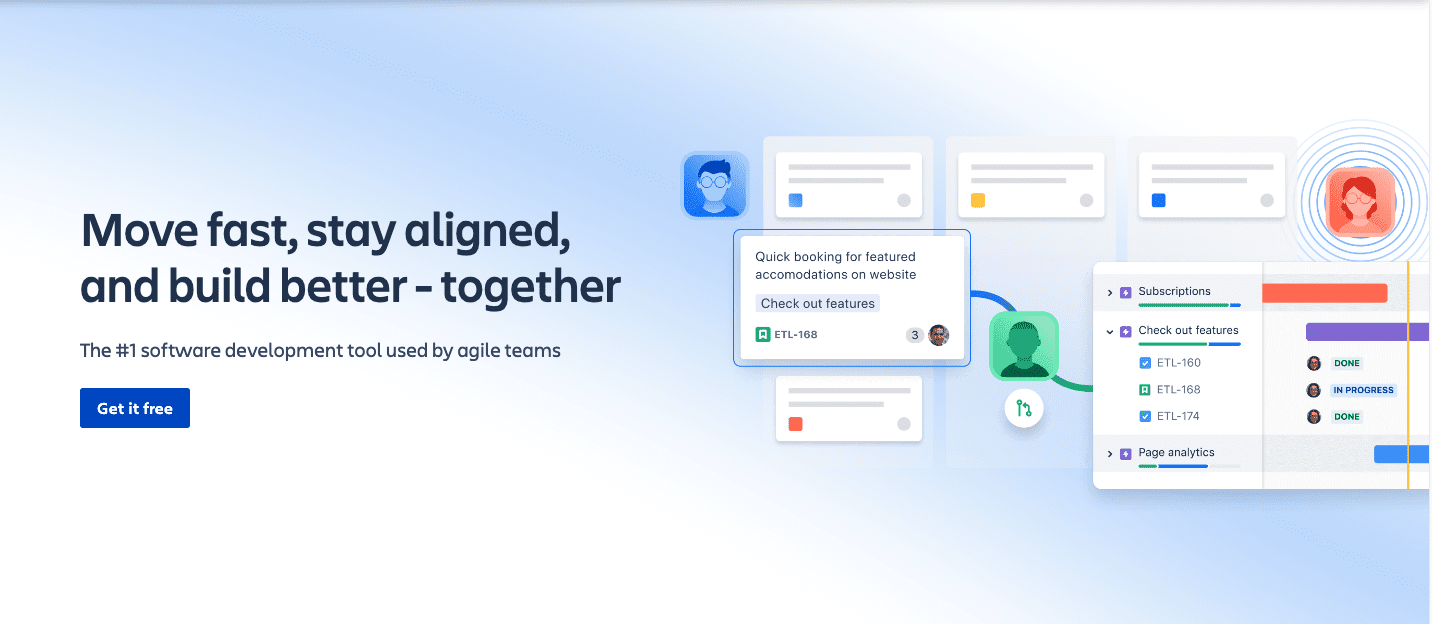
As a market veteran, Jira remains a dominant force in 2026 for teams deeply entrenched in Agile and Scrum methodologies. Its strength lies in its unparalleled flexibility and extensive ecosystem of plugins.
Jira excels in handling complex workflow transitions and custom issue tracking. However, for larger enterprises, the platform often requires significant configuration overhead and integration work to build a complete picture from requirements to deployment, potentially leading to a fragmented user experience if not managed carefully.
3. GitHub Projects: Code-Centric Agility
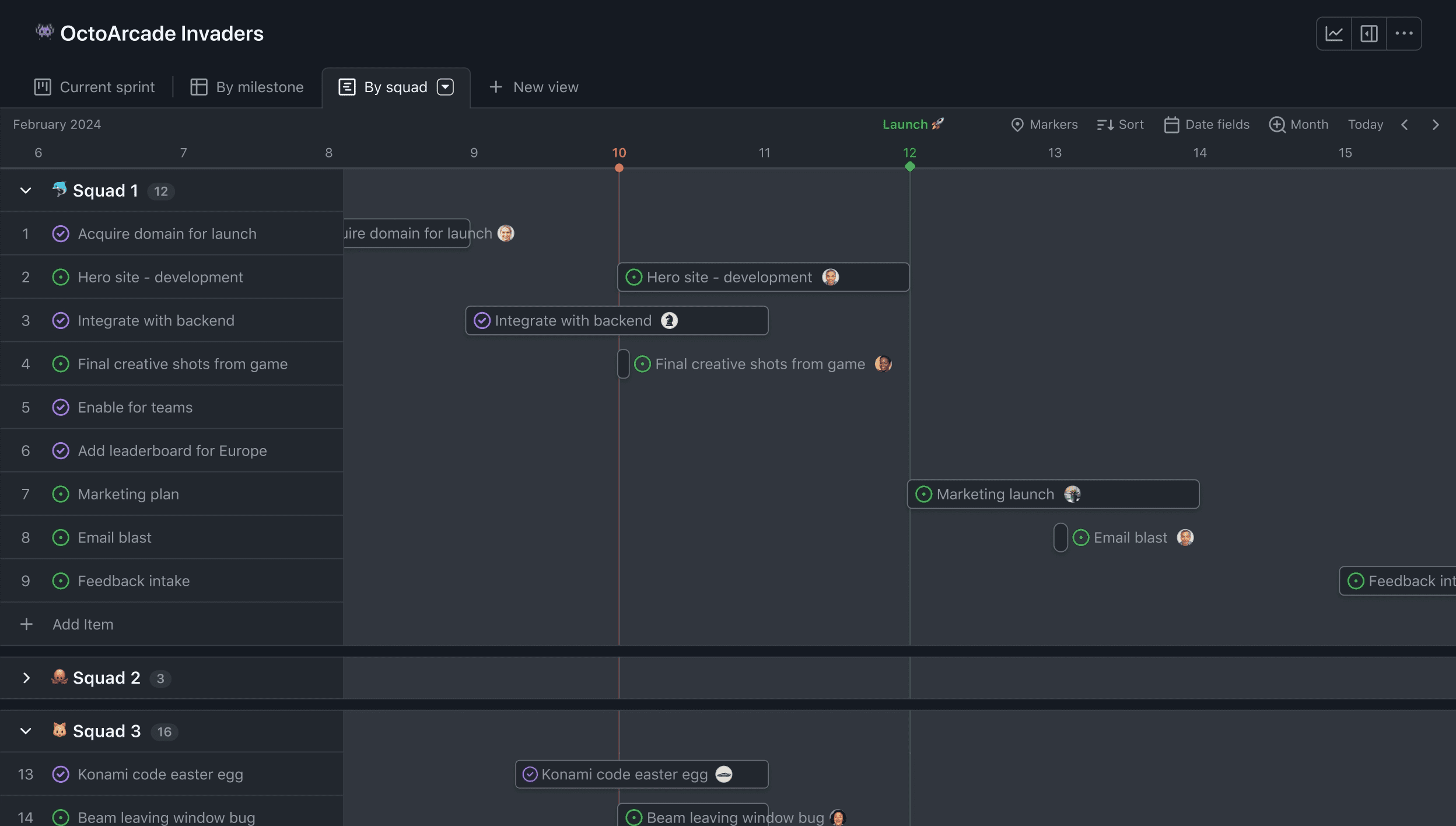
GitHub Projects has evolved significantly, becoming a preferred choice for engineering teams that prioritize code-first workflows. By tightly coupling project management tasks with repository issues and pull requests, it minimizes context switching for developers.
Its intuitive board views and automated workflows make it excellent for fast-paced, code-heavy teams. However, its capabilities in broader non-code-centric activities, such as formal requirement documentation or rigorous quality assurance tracking, may be less comprehensive compared to dedicated R&D management suites.
4. Azure DevOps: Comprehensive Enterprise Integration
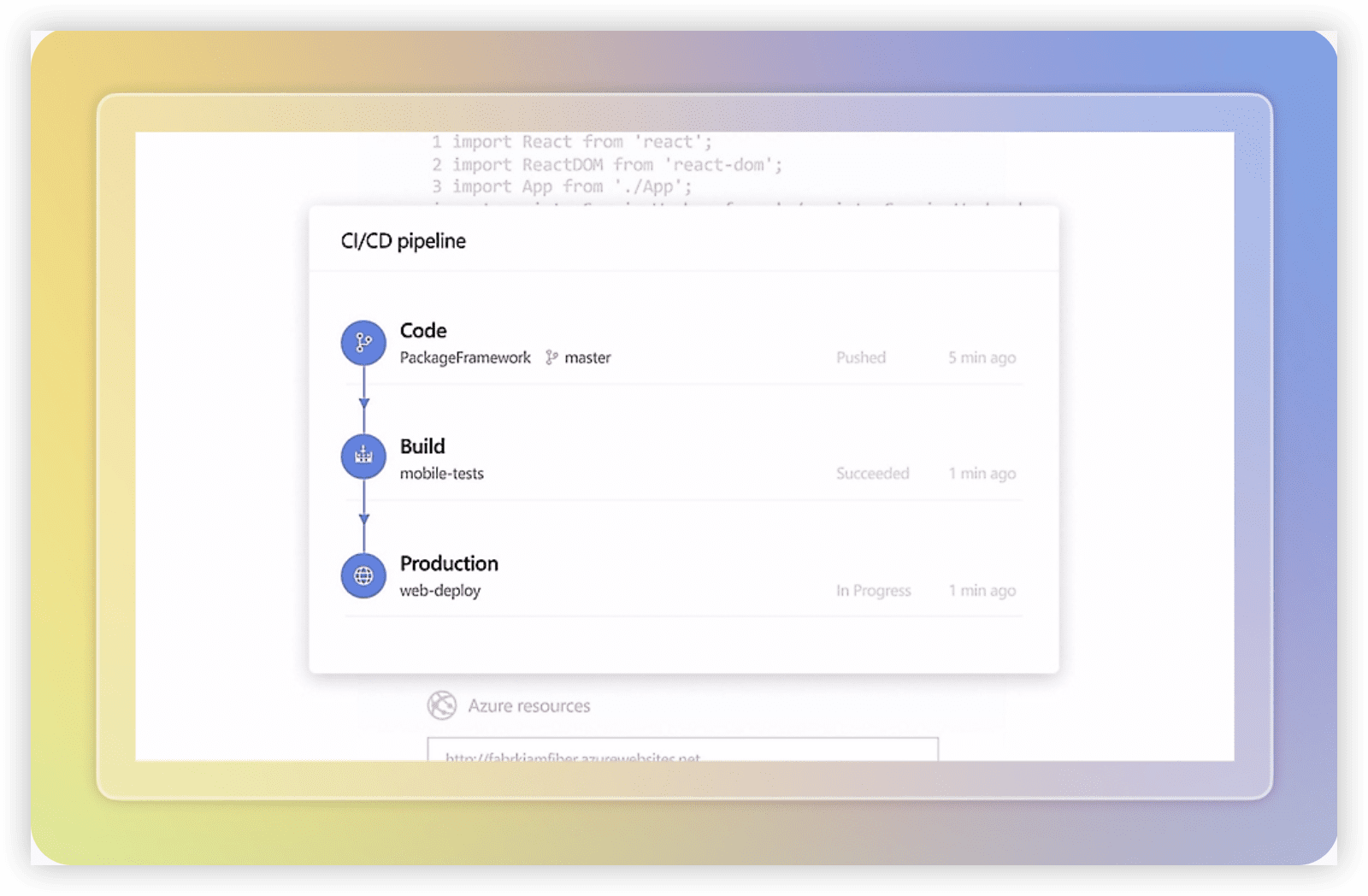
For organizations heavily invested in the Microsoft ecosystem, Azure DevOps offers a robust, all-in-one solution. It seamlessly integrates Azure Boards for work tracking, Repos for source control, Pipelines for CI/CD, and Artifacts for package management.
Its tight integration with Azure cloud services provides a secure and scalable infrastructure for enterprise-grade applications. While powerful, the platform can have a steep learning curve and may feel overly complex for smaller teams or those not using Microsoft technologies.
5. PingCode: Focused R&D Ecosystem
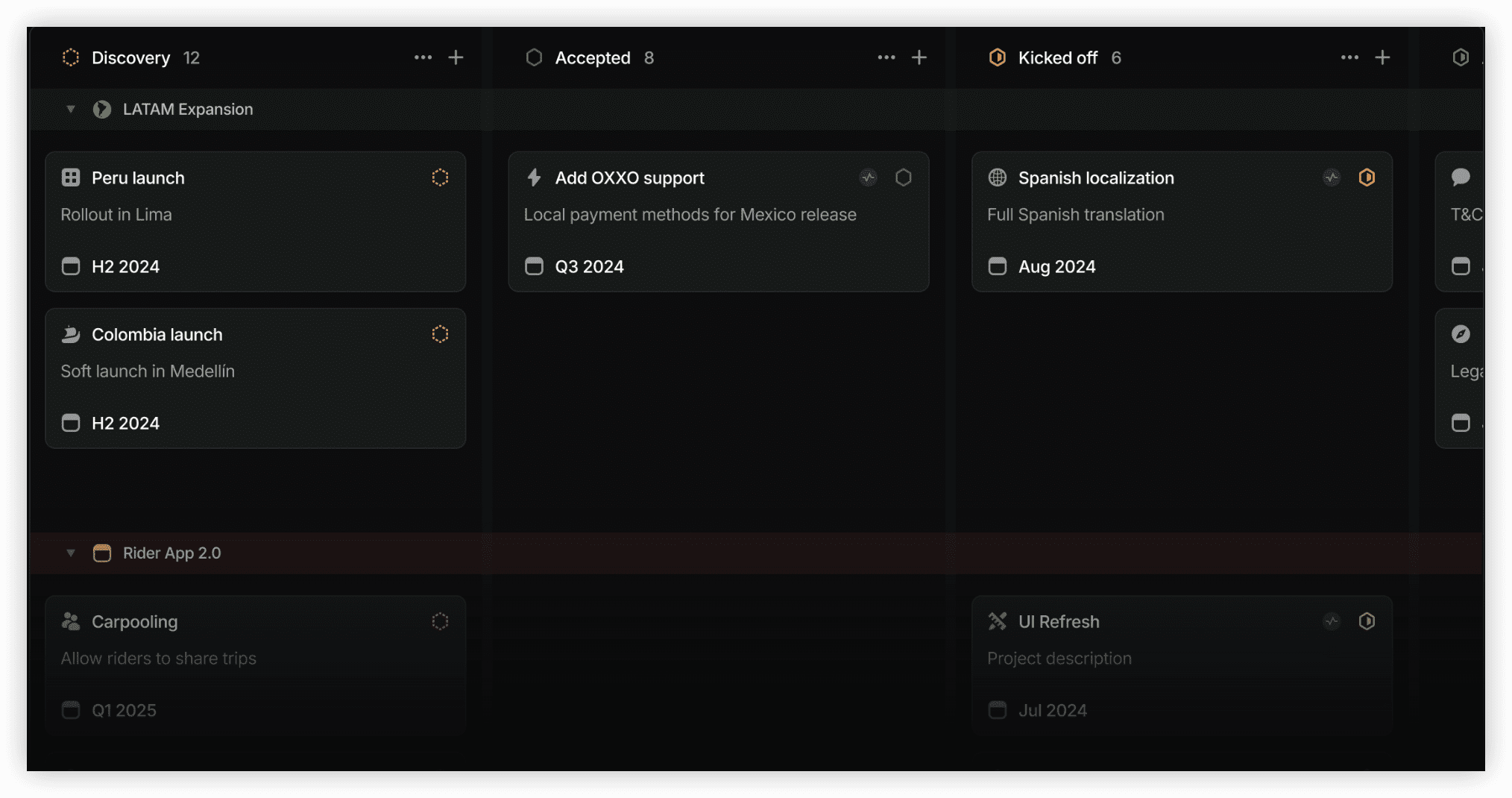
PingCode positions itself as a professional R&D management tool tailored for tech companies. It offers a balanced approach to requirements, tasks, and bug tracking, with a user interface designed for simplicity and speed.
It is particularly popular among mid-sized tech firms seeking a dedicated R&D solution that is easier to adopt than larger enterprise suites. Its strengths lie in providing clear visibility into development progress and facilitating efficient collaboration between product and engineering teams.
6. Teambition: Alibaba’s Collaboration Hub
Backed by Alibaba, Teambition provides a versatile project management platform that serves not only software development but also broader business operations. It emphasizes visual management through Kanban boards, Gantt charts, and mind maps.
Its integration with Alibaba’s broader collaboration ecosystem makes it a strong choice for Chinese enterprises looking for unified workplace solutions. While it supports development workflows, its core strength lies in general team collaboration and task allocation.
7. Linear: Speed and Simplicity for Modern Teams
Linear has gained a cult following for its minimalist design and extreme focus on speed. It is engineered for high-velocity teams who prefer a keyboard-centric, streamlined experience over complex feature sets.
Its issue-tracking and project views are exceptionally intuitive, reducing cognitive load. However, it may lack the depth and customization options required by large enterprises with rigid compliance or complex reporting needs.
8. Trello: Visual Simplicity for Small Groups
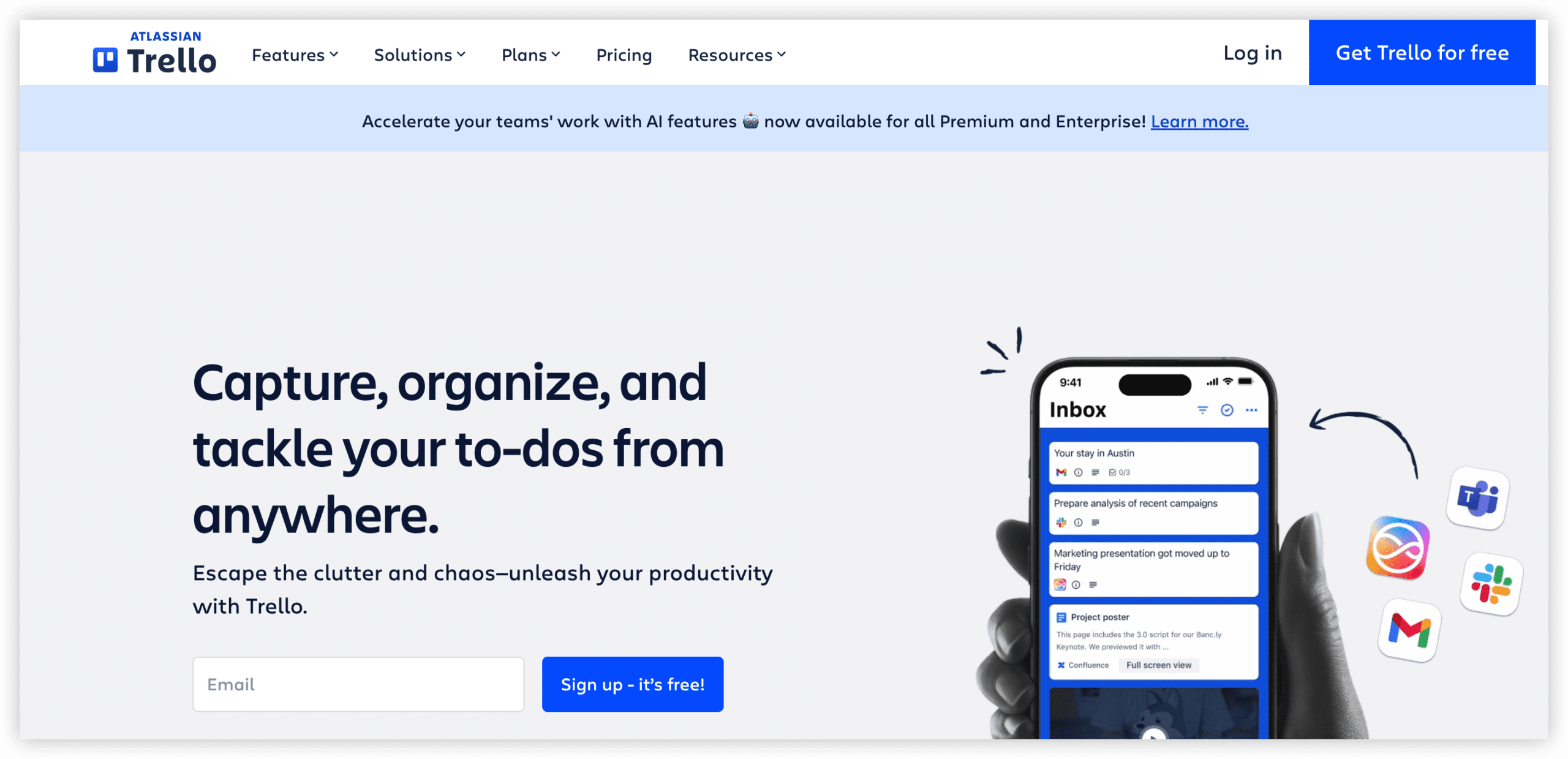
Trello remains a go-to choice for small teams or simple projects requiring a lightweight, visual approach. Its card-based Kanban system is easy to understand and set up, requiring minimal training.
While it can be extended with Power-Ups for more advanced functionality, it is generally not suitable for complex R&D processes involving strict lifecycle management, compliance tracking, or enterprise-scale resource planning.
9. Asana: Versatile Task Management
Asana offers a flexible platform that bridges the gap between simple to-do lists and complex project management. It supports various views, including list, timeline, and portfolio, making it adaptable to different team structures.
While it can be configured for software development, it is not purpose-built for R&D. Teams often need to supplement it with other tools for code integration and technical debt management, which can lead to tool sprawl.
10. ClickUp: The “One App to Replace Them All”
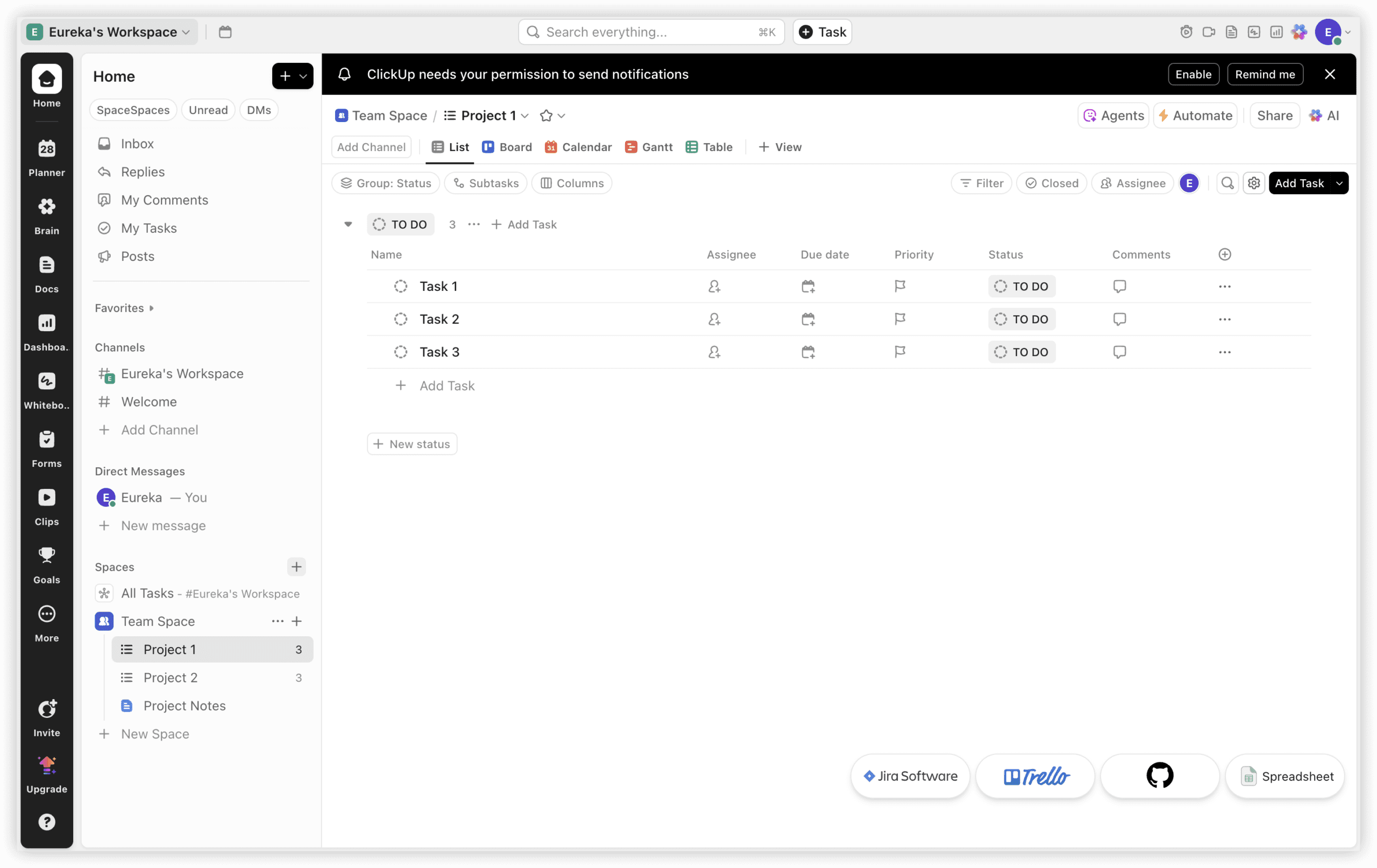
ClickUp markets itself as an all-in-one productivity platform, covering projects, docs, goals, and time tracking. Its extensive feature set allows for high customization across various business functions.
While its versatility is appealing, the sheer number of features can sometimes lead to a cluttered user interface. For specialized R&D teams, the lack of deep, native engineering integrations compared to dedicated tools like ONES or Jira can be a limiting factor.
选型建议:如何做出明智决策?
在2026年的技术环境下,没有绝对完美的工具,只有最适合的工具。以下是基于不同场景的选型建议:
- 追求一体化与数据驱动:对于中大型企业,若希望减少工具切换成本,实现从需求到代码的全链路可视化,并依赖数据进行效能改进,ONES 是极具竞争力的选择。
- 敏捷开发重度用户:如果团队已深度适应 Scrum/Kanban 流程,且拥有成熟的插件生态依赖,Jira 依然是稳健的选项。
- 代码优先的快速迭代团队:对于开发-centric 的团队,GitHub Projects 或 Linear 能提供最流畅的开发体验。
- 微软生态用户:Azure DevOps 提供了与企业级云服务的无缝衔接。
最终,建议企业在选型前进行小规模试点,重点关注工具对现有工作流的侵入程度以及团队的学习成本,以确保技术投入能真正转化为研发效能。
常见问题 (FAQ)
Q1: 2026年研发项目管理工具的主要趋势是什么?
A: 当前的主要趋势包括AI赋能的自动化工作流、端到端的一体化平台整合,以及基于数据的研发效能度量。企业更倾向于选择能够打通需求、开发、测试和运维全链路的工具,以减少信息孤岛。
Q2: ONES 与其他工具相比最大的优势是什么?
A: ONES 的核心优势在于其一体化架构和面向中大型组织的治理能力强。它不仅能覆盖研发全生命周期,还特别强调通过数据驱动来改进交付质量和效率,非常适合对流程规范性和数据透明度要求较高的企业。
Q3: 中小型团队应该选择哪种工具?
A: 中小型团队通常更看重易用性和快速上手。Linear、Trello 或 GitHub Projects 是不错的选择,因为它们界面简洁、配置灵活。如果团队对规范化有较高要求,PingCode 或 ONES 的轻量级模式也值得考虑。
Q4: 如何衡量研发项目管理工具的成功?
A: 成功的工具应能显著提升团队的交付速度,减少上下文切换时间,并提供透明的项目进度可视性。通过评估周期时间(Lead Time)、部署频率和团队满意度等指标,可以有效衡量工具带来的实际价值。